Reconciling a Fractured Sudan
To address Sudan’s problems, the efforts of the Sudanese people and international mediators must be synchronized.
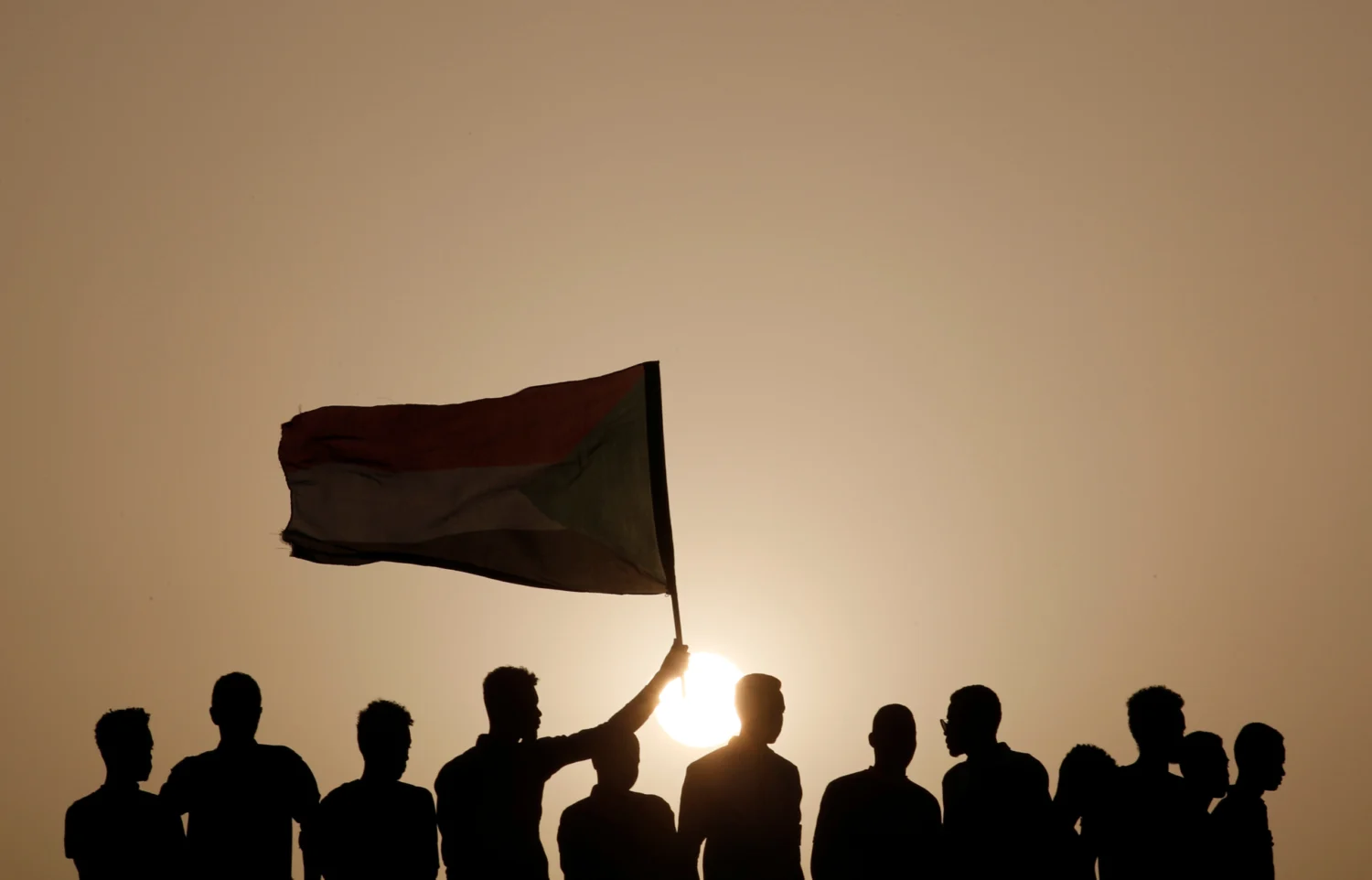
Sudan has been in a near-continuous state of war even before its independence in 1956, but the war which started in 2023 is unprecedented in the ways it threatens the country’s territorial integrity and social cohesion.
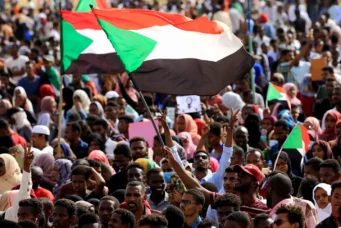
The April 11, 2019 popular protests which ousted the former authoritarian government ushered in a process for the transition to a democracy that seemed to put Sudan on the path of constitutional, political, and economic recovery, But this all ended with the October 25, 2021 military coup led by military and civilian actors, including the Sudanese Armed Forces (SAF), the Rapid Support Forces (RSF), and the ‘Democratic Bloc” (composed of civilian and political organizations), against the transitional government. They claimed it was a “corrective move” that was necessary to “put things back on track”.
Eighteen months after the coup, civil war erupted in Sudan. The military and civilian partners which instigated the coup failed to agree, inter alia, on the Security Sector Reform (SSR) arrangements which were supposed to integrate the RSF into the SAF’s professional army. This triggered a power struggle between the SAF and the RSF over issues of control and command, and modalities of integration of the RSF into the SAF.
The ensuing conflict, which rages to this day, has fractured the country. International and regional attempts to instigate a peace process over the past three years have failed thus far in the face of a myriad of deeply entrenched problems, highlighted below.
While Sudan needs the support and leverage of powerful partners to convince its warring parties to consider peace and return to a civilian-led, democratic government, the Sudanese people themselves need to assume leadership and help create conditions for the success of any external mediation. This also requires an in-depth understanding of the root causes of the conflict within Sudan and a clear roadmap to follow when devising a new framework for peace, which this article seeks to provide.
Domestic Divisions
The war has created a series of new divisions and pit allies of yesterday (the SAF, the RSF, and their civilian and political allies) against each other. This has shifted the boundaries of conflicting territorial control, and deepened social divides as a result of de-humanizing and violent online rhetoric.
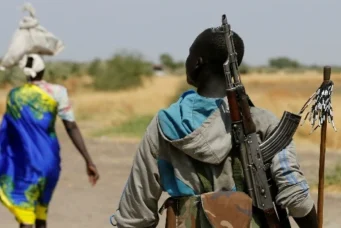
The collapse of a unified security apparatus since the outbreak of the war has created a vacuum which eventually contributed to heinous war crimes and genocidal acts, particularly perpetrated by the RSF, which have been decried and condemned by the international community.
In addition to these atrocities, the war has created a dangerous de facto division within the country, splitting the territory in two. After occupying sizable portions of Sudanese territory, including the national capital Khartoum and Gezira region (the heartland of Sudan’s staple food and cotton production), the RSF was pushed back to its initial home bases in Darfur, and parts of Kordofan.
Today, the eastern, northern, and central sections of Sudan are controlled by the SAF, including Port Sudan, Kassala, Gedaref, Gezira, Sinnar, White Nile, and Blue Nile. The remaining territory, namely Darfur and South Kordofan, is controlled by the RSF and its allied Sudan People’s Liberation Movement–North movement, led by Abdelaziz Adam Al-Hilu. The fighting is estimated to have displaced 14 million Sudanese people from their homes, seeking refuge internally or in neighboring countries and often facing extreme risk of physical and sexual violence.
The nature of war is also changing. In past wars in Sudan, the primary goal was to expand territorial control, encroaching until the opposing side was willing to negotiate. Now, the advent of drone warfare has allowed both sides to attack each other from a distance, targeting critical infrastructure within the other’s controlled territory to diminish their fighting capacity without coming head-to-head. Drones were responsible for 80% of civilian deaths in the first four months of 2026, which the UN warns may mark the beginning of a new phase of conflict.
Beyond physical destruction, the war has also seriously affected the country’s social fabric and hate speech has become deeply entrenched in narratives of the warring parties. Digital platforms are weaponizing long-standing ethnic and tribal divisions in Sudanese society, utilizing threats of sexual or physical violence and denigrating language from both sides. The normalization of both physical and rhetorical abuse across these social and spatial divisions may cause irreparable damage to the national cohesion and territorial integrity of the country.
Root Causes of the Conflict
This digital violence highlights an important point: this war is not just between the SAF and the RSF, but has deeper roots in long-standing ideological, political, and social cleavages within Sudanese society which now hinder any meaningful mediation toward a peaceful resolution to the conflict.
The first such obstacle centres around the relationship between the military, which has led the country throughout most of its modern history, and civic society. This relationship has been impacted by the impingement of the military into politics since the 1958 military coup. Ever since, civil-military relations have soured and recent events prove that there is a need for them to be put back on track.
The second hindrance involves ideological battles between the left and the right: for many decades, the fight between leftists and Islamists has traditionally dominated the political scene in Sudan. A separate but related impediment is the division between Islamism and secularism, particularly since President Gaafar Nimeiry declared Sharia Laws in 1983. The imposition of Sharia Law emboldened the Islamic Movement to seize power in connivance with the military in June 1989. These issues are also present in the current tug of war between SAF and RSF.
Additionally, claims of marginalization and socioeconomic exclusion of certain groups triggered the eruption of the first Anyanya war as early as September 1955, which ultimately led to the secession of South Sudan, and continues to fuel wars in Darfur, South Kordofan and Blue Nile. Military and security ‘solutions’ to this phenomenon exacerbated conflict rather than extinguishing it.
Regional Implications
Territorially, we must not forget the interconnectedness of issues linking Sudan to its geostrategic space in the Horn of Africa, the Sahel, the Nile Basin, and the Great Lakes Region. Over the past few decades, these territorial issues have been increasingly linked to wider regional security issues and increasing intervention from the Arab Gulf states.
For many decades, the Horn of Africa, the Sahel, and the Great Lakes Region have been major epicenters of conflicts in Africa. Sudan risks becoming a point of convergence of these locations of conflict, with a possible link to the problems affecting relations of the riparian countries of the Nile Valley. Competition between Gulf States, particularly Saudi Arabia and the UAE, and competition for strategic footholds, ports, and natural and mineral resources may lead to more escalation of violent conflict in these areas. Sudan could be caught in the middle of generalized regional chaos that will lead to further destabilization.”convoy-ization” of mediation, focusing only on local logistics because local mediators do not have proper support from intl bodies to enact real mediation
Hence, the ongoing war is not only about Sudan, but about the various geopolitical and geostrategic interests of Sudan’s international partners and competitors. These links have made the conflict in Sudan part and parcel of the larger conflict system in the region and complicate the path to resolution for this conflict.
International Attempts at Peacemaking
Sudan has become an integral aspect of the regional conflict system and all attempts at mediating a deal between the warring parties have produced little results.
An early attempt in May 2023 by the United States and Saudi Arabia in Jeddah failed to be implemented due to the intransigence of both sides and lack of leverage on the part of the mediators. The African Union (AU) and Intergovernmental Authority on Development (IGAD) attempted mediation, but the SAF-led Sudanese government suspended their membership in IGAD in 2024 after the group invited an RSF leader to a summit in Uganda, which the SAF claimed was a violation of their sovereignty. They recently reactivated their membership.
More recent attempts by the QUAD (United States, Saudi Arabia, Egypt and the UAE) are stalling. The proposal on the table is said to stipulate a 3-month humanitarian truce, leading into a peace process and a civilian-led transition to elections, with no allowance of the military in future institutions. Future civil-military relations, as well as the role and place of the military within civilian-led governance structures, need to be clarified and mutually agreed upon. This also includes the creation of a single professional national army and the sound management of a Disarmament, Demobilization, and Reintegration (DDR) and Security Sector Reform (SSR) process that will ensure that the new army will have the full monopoly of power and that no paramilitary forces or militias will remain outside the national army. This requires an agreement that will secure the adherence and compliance of SAF, RSF, and their affiliated forces and militias.
Achieving this may be difficult, as the U.S. designation of the Islamist Movement and Albarra Ibn Malik pro-Port Sudan government paramilitary force as terrorist entities has put the Sudanese government in a tight position, with only two options. Either they distance themselves from their Islamist allies (who are effectively fighting the RSF) or maintain the alliance and alienate international anti-Islamist partners like the United States, Saudi Arabia, or the UAE. This has been further complicated by the expanding regional conflict between Iran and the United States and Israel.
Impact of the U.S.-Israel War on Iran
Even before the eruption of the current conflict, the war in Sudan was influenced by Gulf rivalries that pit the UAE against Saudi Arabia in Yemen and affected regional countries such as Somalia.
The war against Iran, coupled with the U.S. designation of the Sudanese Muslim Brothers and the Islamist Movement as terrorists, caused the SAF government in Port Sudan and Khartoum to oppose and condemn Iran’s attacks against the Gulf states. The move helped deny the narrative (promoted in particular by the UAE), that the Sudanese army is controlled by Islamists, which may grant the SAF more negotiating room in future discussions.
Additionally, possible rapprochement between Saudi Arabia and the UAE in a common anti-Iran position may result in them reducing their bilateral tensions in the various flashpoints in the region, including Sudan. This may consequently lead to de-escalation between the warring parties in Sudan.
Recent Moves in Mediation
Sudan’s regional and international partners started consultations in the last few weeks between the QUAD and the newly constituted QUINTET (including the AU, IGAD, League of Arab States, UN, and European Union). It was expected that those consultations between the QUAD and the QUINTET would help coordinate their efforts more effectively for the mediation process. These discussions are ongoing.
The combined leverage of the QUAD and the QUINTET is hoped to produce some positive results in the coming months, and they have started some consultations with the civilian and political forces in the run up to the Berlin Conference, which has taken place on 15 April 2026, coinciding with the third anniversary of this gruesome war.
Some progress was made in this conference on the civilian side. Participants representing various shades of opinion adopted the Joint Call to End the War and Advance a Sudanese-Owned Political Process. A follow up meeting of the Berlin one is planned to take place in the near future to further consolidate this process and create an implementation mechanism in the form of a coordination committee to be formed of various civil and political groups.
The Way Forward
The plethora of root causes require a multi-faceted approach. This requires dealing with the humanitarian, security and political tracks in a concomitant and integrated manner. At the moment, the QUAD is handling the humanitarian/security track, while the QUINTET is handling the political track. While it is a good sign that both tracks are being acknowledged as important components of the peacemaking process, they must be integrated simultaneously to be truly effective.
Proposals for an Integrated Peace Process:
A – The humanitarian/security track:
- Agreement on a modus operandi between the QUAD and the QUINTET among themselves and with the Sudanese stakeholders to ensure Sudanese ownership and agreement on a harmonized and coordinated process. An overriding condition is that of the sovereignty and territorial integrity of Sudan.
- Process design in a manner that would ensure integration between the humanitarian/security and political/civilian tracks.
- Consultations with Sudanese stakeholders to create a conducive environment for the design and implementation of the process
- Coordinated phases of the peace process:
- Humanitarian truce leading into a ceasefire:
- Requirements: De-escalation, political facilitation, and monitoring mechanisms to ensure compliance and prevent rearmament and recruitment.
- Delivery of humanitarian assistance and protection of civilians:
- Requirements: Safe corridors and safe havens for civilians. Monitoring mechanisms to ensure compliance and prevent violations.
- Disarmament, Demobilization, Reintegration (DDR):
- Implement a process that would ensure disarmament, demobilization, and reintegration of combatants, particularly from the RSF, in a manner that will prevent resumption of combat in all parts of the Sudan.
- Handle the issue of mercenaries and foreign combatants.
- Security Sector Reform (SSR):
- Implement a process that will ensure the creation of a professional national army in line with the Constitution that does not interfere in politics or economic activities, excluding actions relating to the functioning of the Armed Forces.
- Humanitarian truce leading into a ceasefire:
B – Justice and transitional justice:
- Combat impunity and put in place a transitional system that satisfies the requirements of prosecuting war crimes, while at the same time ensuring reconciliation.
- This system can be inspired by the South African model of Truth and Reconciliation or the Rwanda Gacaca framework. Any model or system agreed upon should consider the views of the families of the victims.
- The pursuit of peace and justice should not prevent the Sudanese from agreeing on a formula which can end the war and pave the way for a historical compromise.
- This process must consider the relationship between traditional, community-based mediation processes in Sudan (known as Judiya), the national court system, and the international judicial system.
C – The political process and the civilian political transition:
A realistic political process must build on the progress made in back-channel contacts and track II initiatives (informal meetings between powerful stakeholders, often to achieve short-term goals). Accordingly, the peace process should go into two concomitant and mutually reinforcing directions.
First, a bottom-up approach that involves the grassroots communities, re-knitting the social fabric through societal reconciliation. Second, a formal negotiating process which integrates local and international stakeholders. Both processes should address the questions of future governance, decentralization and federalism, power-sharing and wealth-sharing, management of resources, and social justice.
D – Sudan and the region: the role of regional and international partners
Sudan’s stability is very relevant to its neighbors, particularly in light of the current conflict in the Gulf. The disruption of the Strait of Hormuz and Bab El Mandeb has pushed Gulf States to increase their attention on the middle Red Sea as alternative, more resilient, transport locations.
This is a good opportunity for Sudan as international partners could help develop and modernize Sudan’s port structure in a mutually beneficial arrangement. An integrated port system between Sudan, Saudi Arabia, and Egypt could be an excellent option.
The conflict in Sudan is complex and will be difficult to resolve, but the suffering of the Sudanese people will not stop without the coordinated effort of local and international mediators. Conflict is not a foregone conclusion; if Sudan is given adequate support and opportunity, it has the potential for a peaceful and prosperous future.